The History of the Graphic Tee
Mar 16, 2026
/
Educational

Image Courtesy of Afterlife Boutique
Introduction
Graphic t-shirts are a gateway to the community. They create an instant sense of connection and reinforce community. Spotting someone wearing a shirt with something you resonate with sparks that unspoken “hey, I understand you” moment. It becomes a visual symbol of belonging.
What we wear defines who we are, helping us present our interests, feelings, and personalities. Graphic tees are not subtle when it comes to expressing these things, which is why they have become such a closet staple for so many.
As we know them, graphic tees have only been around for about a century. Originating during WWII, white t-shirts worn by men as undergarments and athletic gear were decorated by soldiers to show pride in their units, bases, ships, and deployments. The soldiers created these designs using paint and stencils, similar to how the military had marked their vehicles and other gear for decades.

Photo Courtesy of LIFE Magazine
On July 13, 1942, three years before WWII ended, LIFE Magazine published an issue featuring a soldier in training wearing a white shirt decorated with a winged horny toad firing a machine gun, with the text “Air Corps” and “Gunnery School” on the tee. This helped establish the idea that T-shirts could be more than just blank undergarments.

Left Image Courtesy of the Smithsonian Institution; Right Image Courtesy of VintageOnHollywood on Etsy
In 1948, Thomas Dewey, an American Presidential candidate at the time, created T-shirts with his slogan. A little bit later in the 1950s, Tropix Togs cut a deal with Disney to produce merchandise with Mickey Mouse on it. Walt Disney created and utilized ringer tees to promote the opening of Disneyland in 1955. Both could be seen as the first true marketing-based graphic T-shirts.
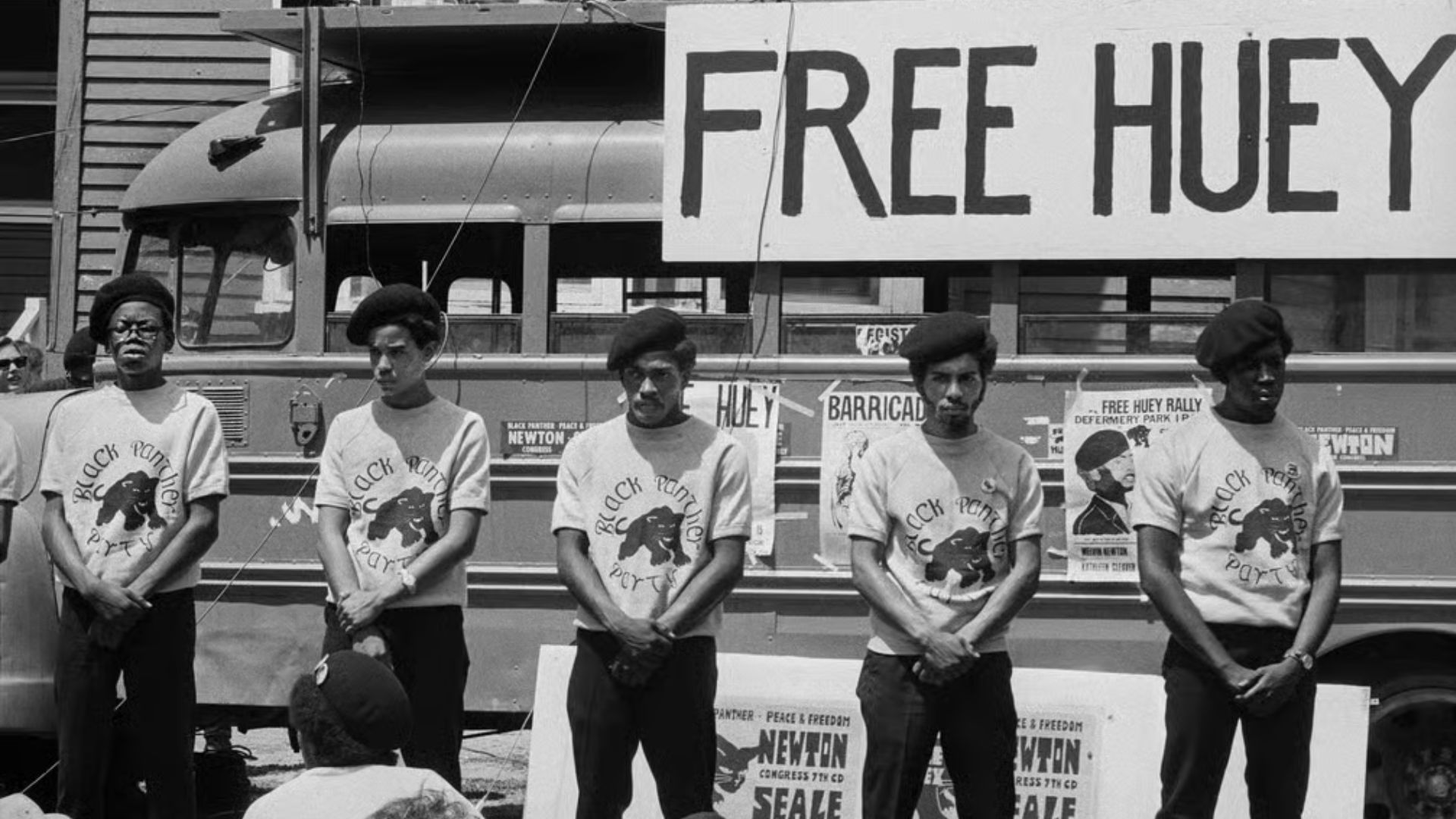
Image Courtesy of Jeffrey Henson-Scales
As the concept of creating T-shirts with imagery became more of an interest to the world, counterculture and artist groups began to adopt and utilize the tool of screen printing designs onto shirts using Plastisol inks.
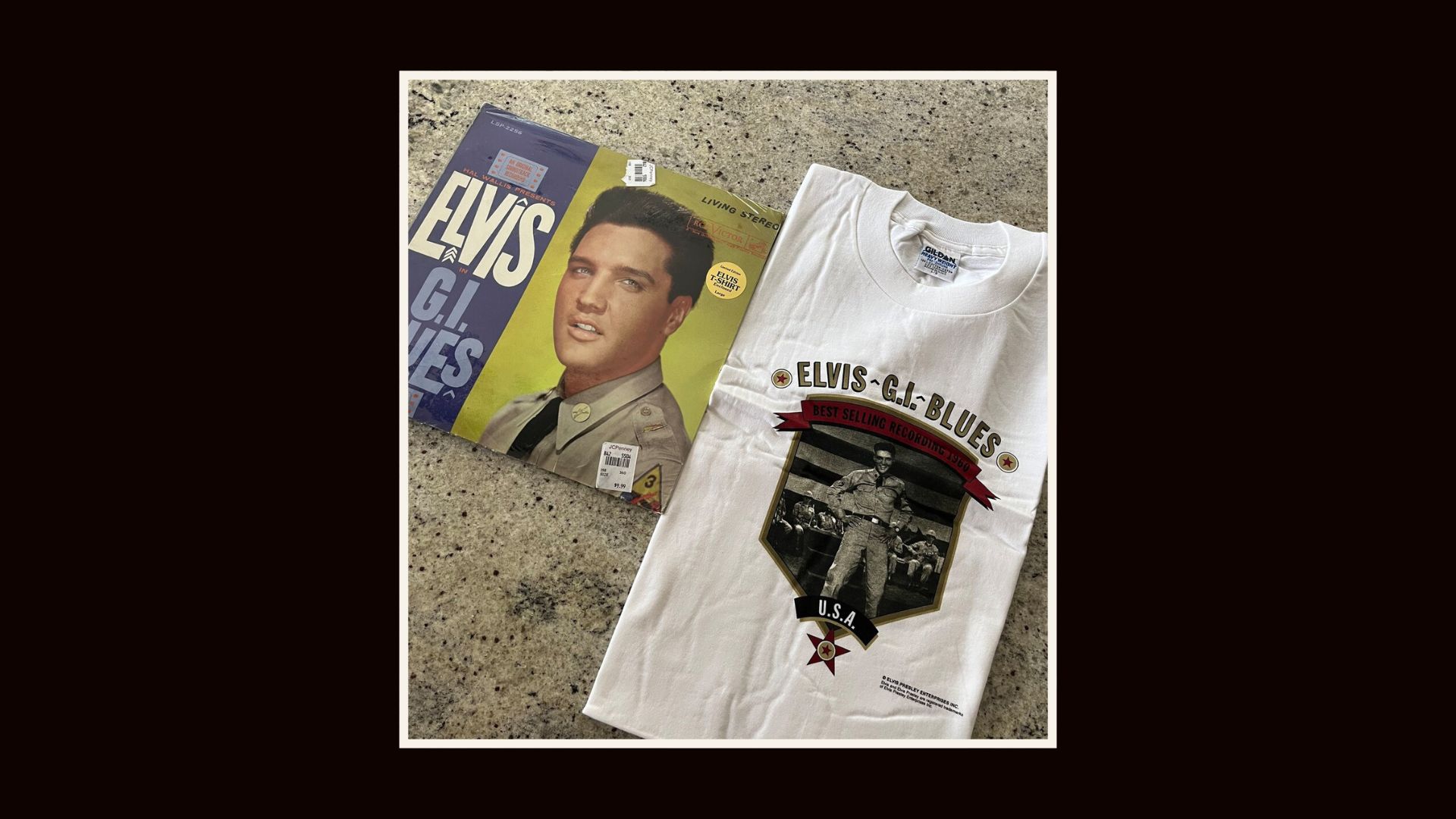
Image Courtesy of Vintage317Indy on Etsy
By the 1960s, wearing graphic tees became a more common practice. People such as Elvis Presley, The Beatles, and those involved in the civil rights movement placed their logos, symbols, and more on shirts, forming the common practice of graphic tee shirt activism and fanwear that remains in our world today.
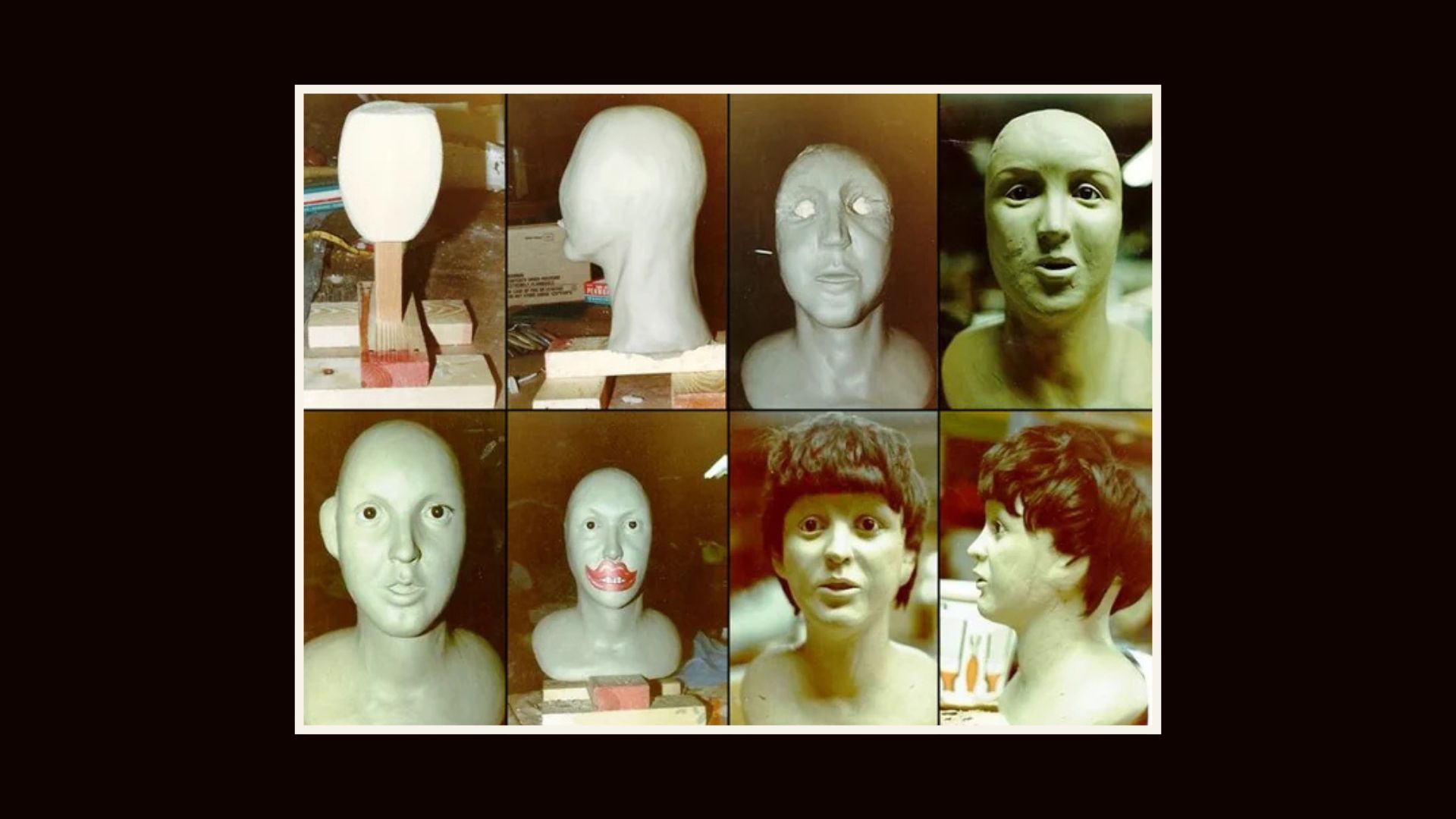
Image Courtesy of u/chouts1two on Reddit
It is noted that Brian Epstein commonly approved licensing offers, as he held the philosophy that maximum exposure promoted the band. Even if it was quite wacky, such as the time that Creative Engineering in Orlando got a license to make a Paul animatronic that was eventually sold to the U.S. Army and became “Private Paul.” But hey, we can all agree that most Beatles graphic tees are all cool.

Image Courtesy of ASI Central
In 1969, Michael Vasilantone invented the dual rotating printing press, dramatically increasing the speed and affordability of T-shirt production. From that point forward, graphic tees surged in popularity. Today, you can walk into almost any retailer and find shirts representing your favorite brands, bands, causes, and communities.
Conclusion
What began as a simple undergarment evolved into one of the most powerful and accessible tools for identity, marketing, and connection.
If you want to make shirts that honor history, art, and culture. We are your people! Contact us today!