The Rainbow Isn't a Marketing Tool, Stop Treating it Like One
Apr 20, 2026
/
Educational
Introduction
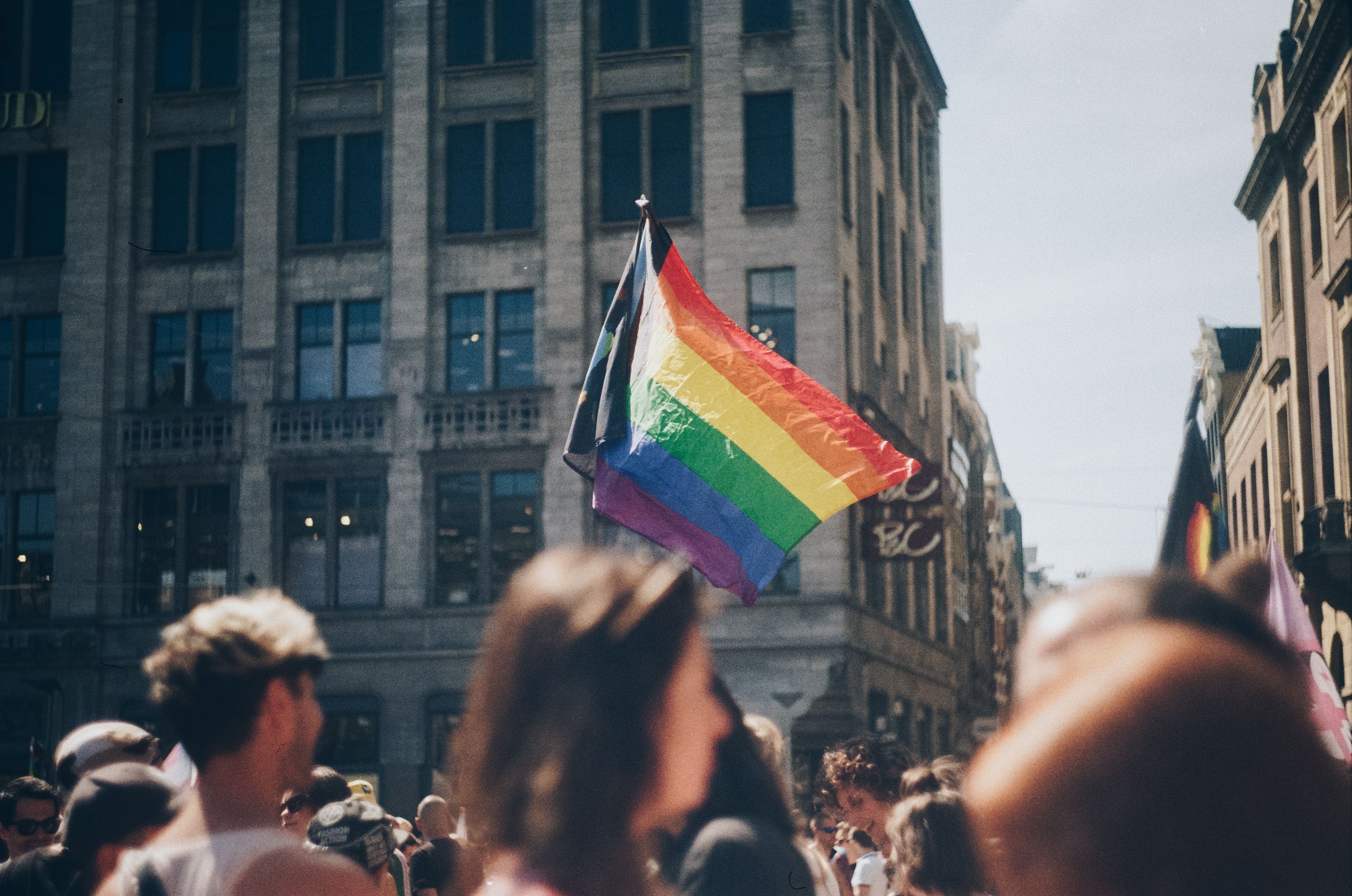
Carelessly slapping a pride flag or its colors on your logo for 30 days is NOT what allyship looks like. Here is what rainbow washing really is, why it backfires, and what genuine support for the LGBTQIA+ truly looks like.
Every June, a transformation sweeps across brands and social media. Logos are now edited to include rainbow colorways, and products are also doing the same. Then July 1st appears, and the rainbows seem to disappear until the next time Pride month rolls around.
This kind of behavior has a name. It’s called rainbow-washing. As the stakes for the community grow, so does the cost of performative allyship. If your brand still treats Pride month like a marketing campaign, it’s time to sit down and rethink your entire strategy.
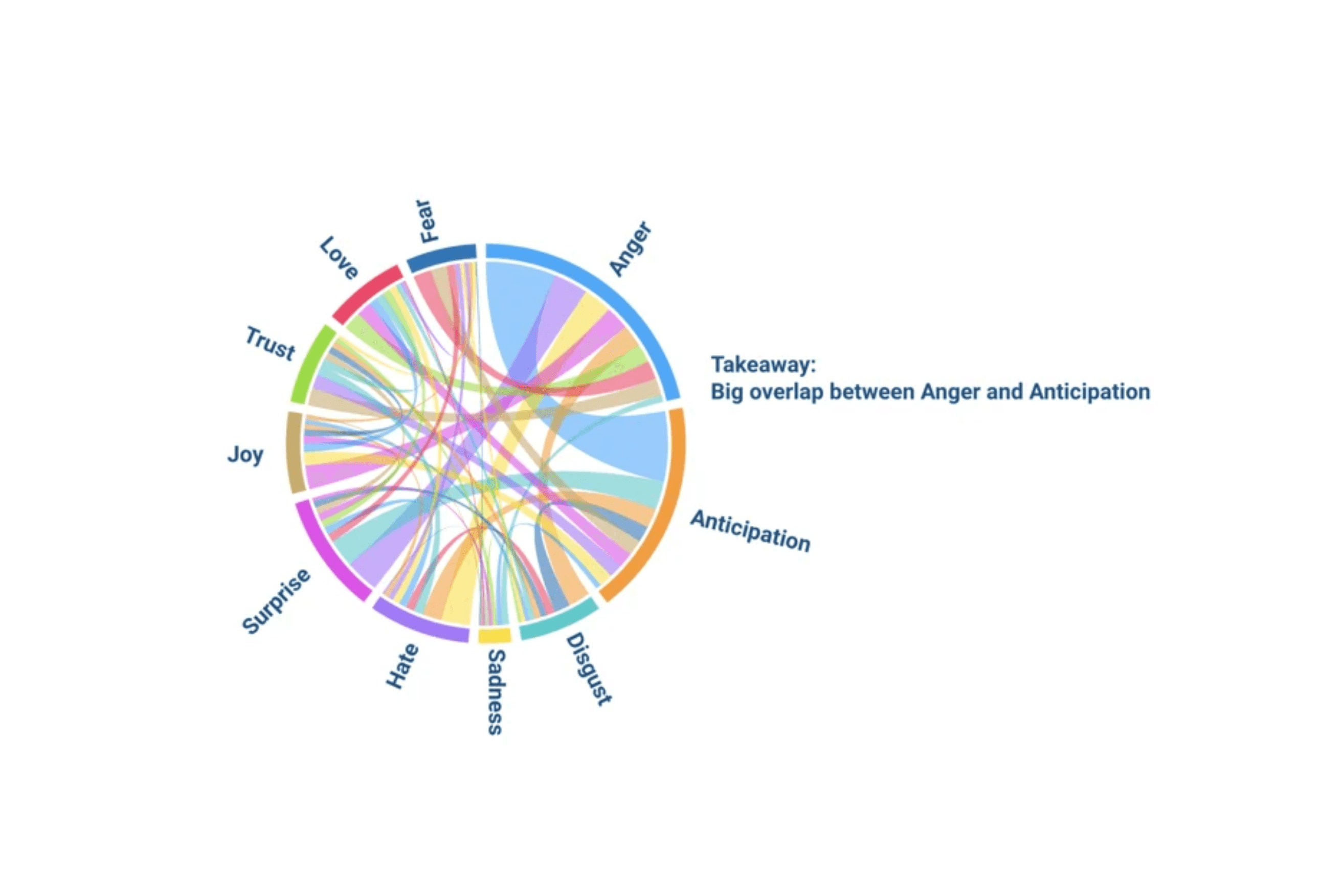
Image Courtesy of Infegy
The backlash is real.
According to PR News Online, an analysis of content and conversations present online from June 13, 2023, through June 12, 2024, suggests negative sentiment around the topic of rainbow-washing has increased 52% in the United States and 92% globally.
This chord chart, created by Infegy, shows that the negative emotions of anger, fear, disgust, and hate make up the majority of the conversation when it comes to conversations about rainbow-washing.

Case Studies on Rainbow Washing:
Bud Light
Signal AI states that Bud Light’s 2023 Pride campaign with influencer Dylan Mulvaney accounted for 86% of all coverage received in June and was overwhelmingly negative. One thing that did not help this situation was that two years before this campaign, the famous Stonewall Inn refused to serve the drink during Pride due to allegations that the parent company, Anheuser-Busch, donated large amounts of money to anti-LGBTQIA+ Legislators. More than $35,000 to a total of 29 legislators described as anti-LGBT between the years 2015 and 2020.
Target
Under conservative pressure, Target pulled some merchandise in 2023 after selling themed merchandise for over a decade. The retreat of merchandise generated accusations that the brand betrayed its LGBTQIA+ customers, according to an article by Basis.
Why it matters beyond just a PR crisis.
Rainbow-washing is not just a risk for your brand's reputation; it causes genuine harm for both your brand and the community. The core problem of rainbow washing is that it creates a false sense of support for the community.
The rainbow flag isn’t a branding asset, but rather a symbol that emerged from a history of violence, protest, and fights. Using the imagery as a quick symbol to try to gain the support of the community commodifies the symbolism and makes the meaning and the significance of the message weaker.
The bar is rising.
Consumers are doing their homework! A 2024 Survey by SurveyMonkey found that 30% of LGBTQIA+ and allied adults research a company’s policies on LGBTQIA+ before making a purchase, rising to 49% among those likely to buy pride-themed products.
The Era of the consequence-free rainbow logo is over.
Negative sentiment around rainbow-washing is growing globally, and consumers will research brands before spending their money on your product.
The path forward isn’t complicated. It requires genuine commitment, internal change, investment, and willingness to maintain and stand firm even if it draws criticism to your brand. The LGBTQIA+ has always been able to tell the difference between a brand that cares and one that pretends.
Conclusion
The rainbow isn't a marketing tool. It’s a symbol of resistance, identity, resilience, and survival. Treat it the way it deserves to be treated!
If you are looking for a partner that can help you create extra meaningful merch. We are here to help. Contact us today!